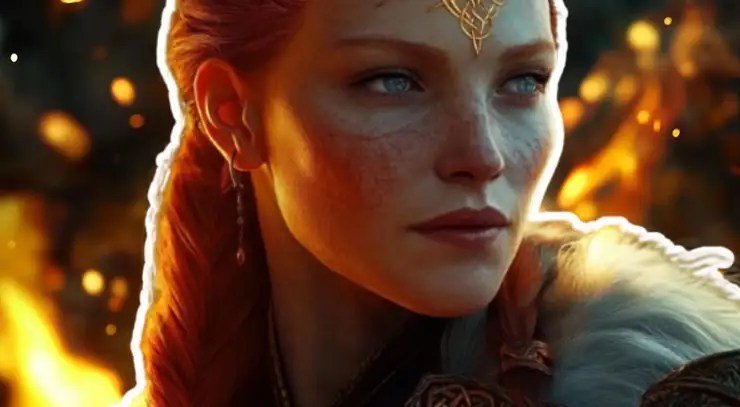
The right name doesn't just label a character; it breathes life into them. In Dungeons & Dragons, where every decision shapes a world, choosing a name for your human character—or for a crucial NPC—is far more than a minor detail. It’s an instant spark of personality, a hint of history, and a cornerstone of immersion. That's precisely why mastering the art of D&D Human Name Generators & Tools is an invaluable skill for any player or Dungeon Master.
Forget endlessly scrolling through baby name sites or fumbling for inspiration when a new NPC spontaneously appears. We're diving deep into how to leverage the best generators to craft authentic, memorable human names that resonate with your campaign's unique flavor.
At a Glance: Your Quick Guide to Powerful D&D Human Names
- Humans are Diverse: D&D humans come from myriad cultures, each with distinct naming conventions.
- Names Tell a Story: A great name hints at a character's background, personality, or even their fate.
- Generators Offer Speed & Depth: Tools like Fantasy Name Generators and Fantasy Name Craft provide both quick inspiration and rich, lore-infused options.
- Look Beyond First Names: Surnames are goldmines for adding instant backstory and cultural flavor.
- Strategic Use: Generate names not just for PCs, but to populate entire cities and spontaneous NPCs.
- Avoid Pitfalls: Steer clear of generic or unpronounceable names that pull players out of the experience.
Why Human Names Hit Different in D&D's Vast Multiverse
Think about it: humans are the ultimate blank slate in D&D. They might lack the innate magical prowess of an elf, the raw strength of an orc, or the sheer longevity of a dwarf, but they compensate with unparalleled determination, ambition, and versatility. This adaptability allows them to carve out niches in virtually every corner of a fantasy world, making them incredibly diverse party members and integral parts of any campaign's fabric.
This very versatility is why their names are so potent. Unlike a drow name, which immediately evokes a specific, often dark, cultural context, a human name carries a broader, more nuanced flavor. It's a window into their specific region, their lineage, their aspirations, or even the subtle quirks of their local dialect. Whether you're portraying a seasoned knight, a cunning merchant, a humble farmer, or a daring adventurer, the name is the first thread woven into their personal tapestry.
D&D's Player's Handbook (5th edition) highlights this diversity by outlining numerous human ethnic groups, each with their own distinct cultural feel. This isn't just lore for lore's sake; it's a direct instruction on how to make your human characters feel grounded and real within a fantasy setting. A name that sounds perfectly normal for a Calashite might feel utterly out of place for a Shou character, and vice versa. Understanding these nuances is the first step toward crafting truly authentic human characters.
The Anatomy of a Truly Memorable D&D Human Name
You've likely encountered names in your games that just click. They're easy to say, memorable, and somehow, they just fit the character. Then there are the others: the tongue-twisters, the forgettable placeholders, the ones that clash jarringly with the setting. The difference often lies in a few key elements that the best D&D human name generators understand.
A truly great D&D human name isn't just a label; it's a miniature story. It should feel balanced between the familiar realism of human nomenclature and the subtle fantastical flair that elevates it beyond the mundane.
First names often provide the initial stylistic impression. Think about the cadence, the sounds, and the implied heritage. Is it short and strong, long and flowing, or something subtly exotic? Names like Alden, Maeve, or Torin, as noted by Fantasy Name Craft, strike a balance between being pronounceable and having a distinct, slightly stylized fantasy feel.
But it's the surname where much of the magic happens. While first names can give a glimpse, surnames often carry the weight of lore, legacy, and an instant splash of backstory. They can hint at:
- Places: A family known for living by a particular landmark (e.g., "Riverbend," "Stonebridge").
- Nature: Connection to the environment (e.g., "Ravenwood," "Stormwind").
- Weather: A more evocative, almost poetic link (e.g., "Emberfall").
- Social Aspects/Occupations: A legacy tied to their trade or status (e.g., "Lockwood" for a thoughtful clerk, "Ravenwood" for a sharp-eyed ranger).
Consider the difference between "John Smith" and "Garran Emberstone." "John Smith" is perfectly fine, but "Garran Emberstone" immediately conjures an image – perhaps a tough frontier human with a fiery spirit, or someone whose family line has a deep connection to mining or volcanic regions. Similarly, "Rowena Winterfield" doesn't just name a character; it suggests a northern noble lineage, perhaps with a stern demeanor or a connection to ice magic. These surnames are powerful narrative hooks, giving you, or your players, instant context and inspiration.
Unlocking Potential: Your Go-To D&D Human Name Generators & Tools
The beauty of dedicated D&D human name generators is that they do the heavy lifting for you, drawing on established D&D lore and naming conventions to provide highly relevant and inspiring suggestions. Instead of just pulling random words, these tools are designed with the specific needs of fantasy worldbuilding in mind. When you're ready to dive in, you'll find an array of options to generate D&D human names that fit perfectly into your campaign.
Finding Diverse Cultural Flavors with Generators like Fantasy Name Generators
One of the most robust tools for exploring the sheer variety of human cultures in D&D is exemplified by sites like fantasynamegenerators.com. This type of generator understands that a "human name" isn't a monolithic concept. Instead, it offers names specifically tailored to the different human ethnicities outlined in the Player's Handbook (5e).
Imagine needing a name for a new NPC in a bustling port city. Do they hail from the desert lands of the Calashites, known for their elaborate naming traditions, or are they a pragmatic Chondathan from the fertile Sword Coast? This generator takes names derived from existing real-world cultures – tweaking them just enough to feel distinctly "fantasy" – and applies them to these D&D archetypes.
You can expect to find names for:
- Calashite: Often inspired by Middle Eastern and North African cultures.
- Chondathan: Leaning towards European, particularly Western European, influences.
- Damaran: With a strong Eastern European or Slavic flavor.
- Illuskan: Harsh and Nordic-sounding, reflecting their northern origins.
- Mulan: Drawing from ancient Egyptian or Near Eastern influences.
- Rashemi: Echoing Eastern European or Russian styles, often with a powerful, guttural feel.
- Shou: Distinctly East Asian in character.
- Turami: With a Mediterranean or Southern European resonance.
The power here is in quick iteration. With a single click, you often get a batch of 16 names, two for each of these eight distinct human cultures. This rapid generation allows you to quickly sample different flavors and find one that perfectly matches the background you envision for your character or NPC. Need something simpler? Many generators also offer an older version that produces more generic, English-sounding names, which can be perfect for characters from less defined regions or for those who simply prefer a classic fantasy feel.
Crafting Rich Backstories with Tools like Fantasy Name Craft
While some generators focus on cultural breadth, others, like fantasynamecraft.com, delve into the depth of individual names, making them perfect for crafting characters with rich backstories and specific roles. This type of generator boasts an impressive library of over 100,000 full names, each carefully constructed to evoke a particular D&D persona.
Here, the emphasis is often on generating full names (first and surname) that resonate with various D&D archetypes – think nobles, weary farmers, steadfast guards, or epic heroes. The magic lies in the thoughtful combination of stylized, pronounceable first names (like the Alden, Maeve, or Torin mentioned earlier) with surnames that are packed with flavor and lore. These surnames aren't random; they're chosen to instantly convey hints of place, nature, weather, or social standing, providing an immediate canvas for your imagination.
Consider the example names provided:
- Garran Emberstone: This name practically screams "tough frontier human." You can almost see him with a pickaxe or a well-worn sword, perhaps with a history tied to mining settlements or volcanic regions.
- Rowena Winterfield: This suggests a northern noble line, perhaps someone resilient, elegant, and connected to snow-capped landscapes or an ancestral home nestled in a frigid valley.
These aren't just names; they're mini-character concepts. When you click "Generate DnD Human Names" on such a tool, you typically receive 6 full names instantly. This is incredibly useful for quickly populating a city roster, creating a band of guards, or even generating potential names for an entire family. And for maximum convenience, individual name cards can often be clicked to copy the full name directly to your clipboard, making it easy to drop into your campaign notes or character sheets.
The practical tips accompanying these tools are also invaluable: - Family Consistency: Use one surname for an entire family to create immediate lineage.
- "Spare Names" List: Keep a list of generated names handy for those spontaneous NPCs who pop up mid-session.
- Story-Driven Surnames: Select surnames that directly reflect an important NPC's story or profession – "Captain Kaelen Stormwind" instantly tells you something about his connection to the sea, making him far more memorable than "Captain Kaelen."
Examples like "Alden Lockwood" (suggesting a thoughtful clerk, perhaps meticulous and grounded) or "Maeve Ravenwood" (implying a sharp-eyed ranger, attuned to nature and perhaps a little wild) showcase how just a name can provide a springboard for an entire character concept. Leveraging these descriptive examples can help you quickly match names to roles and cultures within your campaign.
Beyond Random Rolls: Strategic Naming for Your Campaign
While generators are fantastic for inspiration and speed, true mastery comes from using them strategically. A random name might be fine for a nameless goblin, but for a human PC or a pivotal NPC, you want a name that works on multiple levels.
Matching Names to Character Concepts
Before you even touch a generator, have a basic concept for your character. What's their personality? Where are they from? What's their background and class? Are they a stoic warrior from a hardy northern tribe, or a charming rogue from a bustling mercantile city? The answers to these questions should guide your name choice.
If your character is a scholarly wizard from a Mulan background, you'll gravitate towards names that sound ancient and perhaps a little regal. If they're a rough-and-tumble Barbarian from the Illuskan lands, you'll look for something stark and powerful. Don't be afraid to generate several batches of names, sifting through them until one just feels right for the character taking shape in your mind.
Populating Your World with Believable NPCs
Dungeon Masters, this is where generators shine brightest. Running a campaign often means conjuring dozens, if not hundreds, of NPCs on the fly. You can't spend 20 minutes naming every tavern keeper, guard, or farmer. Generators allow you to quickly build out a roster of believable names for different regions.
Imagine creating a new town. You can quickly generate a list of Chondathan names for the central region, then a few Damaran names for the farming community on the eastern edge, and maybe a couple of Illuskan names for the mercenaries passing through. This immediate cultural distinction adds layers of realism to your world without any extra effort on your part. For even deeper characters, consider focusing on crafting truly memorable D&D NPCs from the start.
Names as Worldbuilding Hooks
A well-chosen name can also be a tiny piece of worldbuilding. A character named "Elara Ashfall" might come from a region still scarred by an ancient cataclysm. "Tobias Ironhand" could be from a family of smiths or bear a distinctive scar from a past injury. These little hints provide texture to your setting and can spark new ideas for lore or side quests. Remember that names are crucial for effective D&D worldbuilding. Don't just pick a name; let the name inspire your world.
Common Pitfalls to Sidestep When Naming D&D Humans
Even with the best tools, it's easy to fall into certain traps that can undermine the impact of your character's name.
The "Too Generic" Trap
We all default to "John" or "Sarah" sometimes, especially for minor NPCs. But for a player character or a recurring NPC, a name that's too generic can make them blend into the background. While D&D humans are diverse, leaning into the slightly fantastical or culturally specific names offered by generators can elevate your character instantly. A touch of "otherness" makes them feel more like part of a unique fantasy world.
The "Impossible to Pronounce" Problem
You want unique, but not unpronounceable. Names that are overly complex, filled with silent letters, or contain awkward phonetic combinations can disrupt the flow of play. Players and DMs will stumble over them, eventually defaulting to nicknames or simply forgetting the name altogether. If you have to spend more than a second sounding it out, it's probably too complicated. Clarity always trumps convoluted cleverness.
Names That Clash With Campaign Tone
Is your campaign a gritty, low-magic struggle for survival, or a high-fantasy epic filled with grand heroes? A name that's too silly or anachronistic can break immersion. A "Chad Thunderpunch" might fit a comedic one-shot, but would feel jarring in a serious political intrigue campaign. Ensure the name's vibe aligns with the overall tone of your game.
Ignoring Cultural Nuance
While generators help, it's still possible to pick a Calashite-sounding name for a Shou character by accident. A quick mental check: does this name feel right for the specific cultural background I'm envisioning? A little attention to this detail ensures your character feels grounded and authentic, rather than a mishmash of disconnected elements.
Advanced Naming Techniques for the Savvy DM & Player
Once you've mastered the basics, you can start experimenting with more sophisticated naming approaches to add even more depth to your characters and world.
Layering Cultural Influences
Just as real-world cultures interact and blend, so too do those in your D&D setting. Perhaps a character has a name that combines elements from two different human cultures, reflecting mixed parentage or a history of migration. A Damaran first name with an Illuskan surname could tell a story of a family line that moved south, perhaps seeking warmer lands or fleeing conflict. This subtle blending adds a layer of realism and complexity to your D&D character backstory creation.
Evolving Names Over Time
Names don't always stay static. A commoner might take on a new surname when they earn a noble title, or a hero might gain a descriptive epithet after a great deed (e.g., "Arlen the Dragonslayer"). Conversely, a villain might shed their birth name in favor of a fearsome moniker. This evolution can reflect character growth, significant life events, or a change in social status, adding a dynamic element to your narrative.
The Power of Nicknames and Aliases
Beyond formal names, nicknames and aliases offer incredible storytelling potential. A gritty fighter might be known as "Knuckles" in the taverns, while a cunning spy might use a dozen different names depending on the situation. These informal names can reveal aspects of a character's personality, reputation, or past associations that their birth name might not. They also provide a great way to handle the "impossible to pronounce" problem if a cool, but clunky, name slips through. A good name also sets the stage for any deep D&D personality you wish to convey.
Your Next Steps: Putting D&D Human Name Generators to Work
The journey to crafting compelling D&D human names is an ongoing one, filled with discovery and creativity. You now have the knowledge and the tools to move beyond generic labels and infuse your characters and worlds with immediate personality and rich lore.
Start by experimenting. Load up your favorite D&D human name generator and simply play around. Generate names for hypothetical characters. Try to match names to random images or character concepts. Build a roster of names for your next campaign's major cities. You'll quickly develop an eye (and an ear) for what works.
A well-chosen name is the first step in painting a vibrant picture, inviting players and DMs alike to delve deeper into the stories waiting to unfold. So go forth, generate, and bring your D&D humans to unforgettable life!