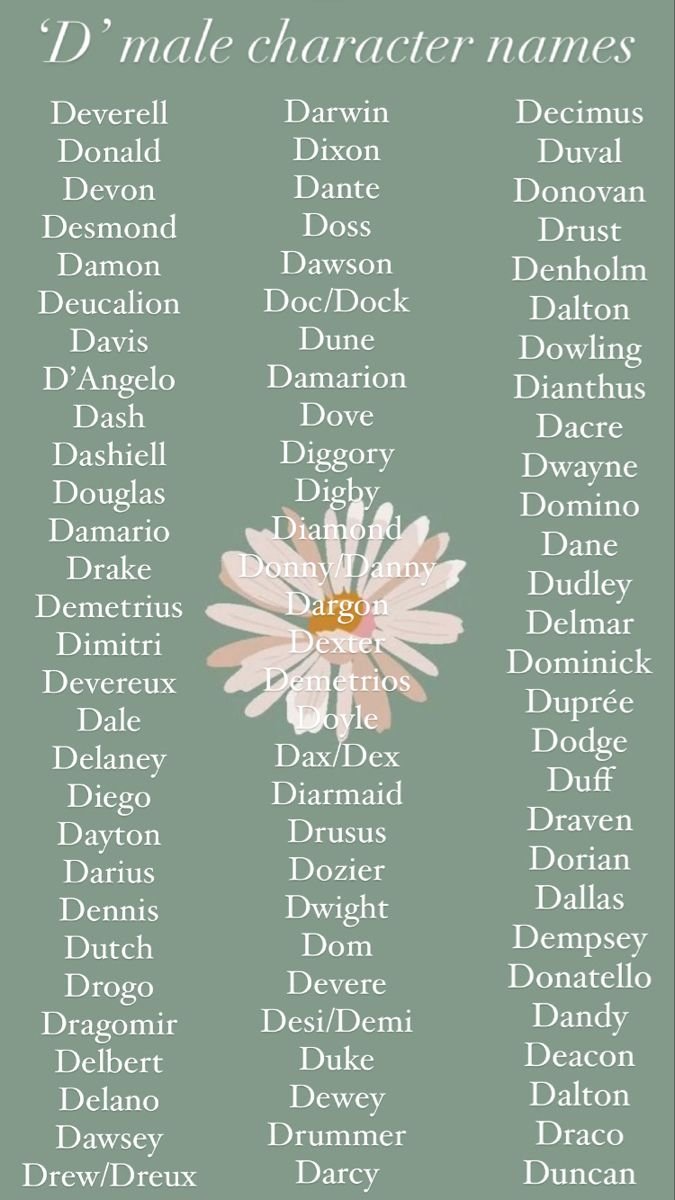
You’ve just rolled up a new D&D character. They have a class, a background, perhaps a compelling reason for adventure. But then comes the name. It’s more than just a label on your character sheet; it’s the very first brushstroke of their identity, a sound that will echo in taverns and dungeons, and a crucial anchor for Integrating D&D Human Names with Character Identity for Deeper Roleplaying. A name, when chosen with purpose, isn't just spoken – it's felt. It informs how NPCs perceive your character, how your character perceives themselves, and ultimately, how profoundly you connect with the story unfolding at the table.
At a Glance: Crafting a Name That Sticks (and Sings)
- Beyond the Generic: Understand D&D humans aren't "vanilla"; their names are as diverse as their many cultures.
- Cultural Cues: Align names with D&D's established human sub-races (Calashite, Shou, Damaran, etc.) or broader fantasy archetypes.
- Sound & Symbolism: Choose names that sound like your character and carry a subtle (or not-so-subtle) meaning.
- Arc & Aspiration: Let a name reflect a character's past, present, or even their future journey.
- Roleplaying Hooks: A well-chosen name can drive interactions, create lore, and deepen personal stakes.
- Practice Makes Perfect: Test names aloud; see how they feel and how they might be received.
Beyond the "Vanilla": Why Human Names Matter in D&D
Humans in Dungeons & Dragons are often dubbed the "default setting" or the "vanilla ice cream" of races. They might not boast the innate magical prowess of elves or the sheer hardiness of dwarves. Yet, this seeming average-ness is their ultimate superpower. Humans are the chameleons of the multiverse, capable of blending into any society, driven by a relentless stubbornness and an ability to survive against overwhelming odds. They are the backbone of countless fantasy worlds, proving that ordinary people can achieve extraordinary things – or, as the saying goes, die trying.
This incredible diversity extends directly to their names. Just like the real world, D&D humans come in countless shapes, types, and sizes, with myriad ambitions, dreams, and goals. What they might lack in raw, inherent strength, they more than make up for in determination. This fluidity means a human character can be anything from a glorious leader to a treacherous backstabber, a devoted friend to a self-serving opportunist. Their names, therefore, should reflect this boundless potential and varied origin. A name can be your character's first impression, a whisper of their past, or a hint of their future. It's the linguistic cornerstone upon which their identity is built.
A World of Human Names: Understanding D&D's Diverse Roots
When you flip through the Player's Handbook, you'll find that "human" isn't a monolith. The D&D universe, particularly in 5th Edition, breaks down humans into several distinct ethnic groups, each with its own cultural leanings and, crucially, its own naming conventions. These aren't just arbitrary lists; they're echoes of real-world history and linguistics, tweaked just enough to feel distinctly "fantasy."
For example, fantasynamegenerators.com notes that D&D's human races, like Calashite, Chondathan, Damaran, Illuskan, Mulan, Rashemi, Shou, and Turami, each have names based on existing cultures. You'll likely notice the inspirations:
- Calashite: Often evoke Middle Eastern or North African sounds. Think flowing, consonant-rich names.
- Chondathan: Typically lean into Western European, particularly Germanic or Anglo-Saxon, influences. Common, familiar-sounding names.
- Damaran: Eastern European or Slavic undertones. Names might feature more 'k' or 'v' sounds.
- Illuskan: Norse or Celtic inspired. Think sharp, sometimes guttural, strong-sounding names.
- Mulan: Ancient Egyptian or North African feel. Names that often sound grand or regal.
- Rashemi: Strong Slavic or Russian influences, often with an emphasis on strength or nature.
- Shou: Distinctly East Asian, particularly Chinese, inspirations. Often monosyllabic or two-syllable names with specific meanings.
- Turami: Mediterranean or Southern European, like Italian or Spanish. Names with open vowels and often a lyrical quality.
Beyond these specific sub-races,mythopedia.comhighlights that many D&D human names pull from a grab-bag of pseudo-medieval European and ancient Scandinavian civilizations. These are often short, sharp, and to the point, with common syllables like ‘th,’ ‘ra,’ and ‘in’ making appearances – think names like Thoradin or Ragnar.
The key takeaway here is flexibility. While these cultural inspirations offer rich ground for authenticity, the game is, at its heart, about making your own world. You can certainly use real-life names, blend influences, or create something entirely new. The goal isn't strict adherence, but informed creativity. For a quick start, a D&D Human Name Generator can provide a wealth of culturally nuanced options to spark your imagination.
The Art of Naming: Crafting a Handle, Forging a Soul
A name isn't just a collection of syllables; it's a carefully chosen set of sounds that carry weight, imply history, and hint at personality. When Integrating D&D Human Names with Character Identity, you're not just picking; you're crafting.
1. Sound & Syllables: The Gut Feeling
How does the name feel when you say it aloud?
- Sharp, strong names (e.g., Kael, Roric, Thrain) often suit warriors, rogues, or characters with a no-nonsense demeanor. They cut through the air.
- Soft, lyrical names (e.g., Elara, Lysandra, Alistair) might fit spellcasters, diplomats, or individuals with a gentle or artistic spirit.
- Long, complex names (e.g., Valerius, Seraphina, Bartholomius) can suggest a noble lineage, a scholarly background, or a formal personality.
- Short, punchy names (e.g., Finn, Bree, Jax) often imply practicality, common folk, or someone direct and uncomplicated.
Consider the phonetic elements mentioned bymythopedia.com– the 'th,' 'ra,' 'in' – and how they contribute to a name's perceived strength or wisdom. Does your character's name roll off the tongue like a bard's ballad, or does it strike like a rogue's swift dagger?
2. Meaning & Etymology (Even Implied): The Hidden Story
Many real-world names carry meanings, even if we don't consciously think about them. In D&D, you have the freedom to invent or borrow these.
- Literal Meaning: A name like "Brook" for a ranger or "Stone" for a stoic guardian.
- Implied Meaning: "Victor" for someone who overcame a great challenge, or "Celeste" for a character with celestial ties.
- Ancestral Meaning: A family name passed down, even if the original meaning is lost to your character, it still carries the weight of their lineage.
Even if you don't explicitly state the meaning, knowing it yourself adds a layer of depth to your roleplaying. Perhaps your character's name means "shadow," and they unconsciously gravitate towards stealth, or "light," and they struggle with their own darker impulses.
3. Cultural Context & Background: Where They Come From
This is where the D&D human sub-races truly shine.
- Authenticity: Giving a Shou character a name like "Xian" or "Mei" immediately grounds them in their cultural heritage.
- Contrast: Perhaps a Mulan-named character grew up in a Chondathan territory, creating a subtle disconnect that fuels their identity or social interactions.
- Adopted Names: An orphan might be given a name by their adoptive family, perhaps one that doesn't quite fit their biological heritage, telling a story of new beginnings.
A name that aligns with their cultural background can immediately inform an NPC's reaction or an adventurer's first guess about your character's homeland or customs.
4. Character Arc & Aspirations: Naming for the Future
A name doesn't just reflect the past; it can foreshadow the future.
- Aspiration: Naming a young, aspiring knight "Arthur" (meaning "bear-man" or "noble strength") could speak to their destiny.
- Irony: A character named "Felicity" (meaning "happiness") who is perpetually gloomy or unlucky provides a rich seam for roleplaying.
- Transformation: A character might adopt a new name later in their journey, shedding their old identity and embracing a new one that reflects their growth or change of purpose.
Your character's name can be a constant reminder of who they strive to be, or a painful echo of who they once were.
5. Personal History & Scars: The Name as a Relic
What major events have shaped your character? A name can subtly or overtly reflect these.
- Trauma: A character who survived a great fire might bear a name that means "ash" or "ember."
- Triumph: A name bestowed after a heroic deed, like "Bane of Goblins" or "The Shield of Silverstream."
- Hidden Past: A character might use an alias, keeping their true name a secret, symbolizing their desire to escape their past. This opens up mysteries for the party to uncover.
Consider how your character feels about their own name. Is it a source of pride, shame, or indifference? This internal monologue can be a powerful roleplaying tool.
6. The Power of a Moniker: Nicknames & Titles
Sometimes the chosen name is just the beginning.
- Organic Nicknames: These can arise naturally during play based on actions, quirks, or physical traits (e.g., "Swiftfoot," "Greasehand," "Whisper"). They forge bonds within the party and create a sense of shared history.
- Self-Proclaimed Titles: A character might adopt a title to project an image or establish authority (e.g., "The Red Wizard," "The Last Paladin").
- Disdainful Epithets: Not all nicknames are positive. A rival might call your character "Ratface" or "Halfwit," leading to opportunities for conflict and character growth.
These evolving labels add layers to a character's identity, showing how they are perceived by the world and how they adapt to those perceptions.
Practical Strategies for Integration
So, how do you put these ideas into practice? It’s a blend of inspiration, research, and intuition.
1. Brainstorming with Purpose
Don't just pick the first name you like. Engage with a deliberate process:
- Start Broad: What's your character's core archetype? (e.g., stoic guardian, mischievous rogue, wise scholar).
- Consider their Homeland: Are they from a specific D&D region? A Damaran name might be distinct from an Illuskan one, immediately providing a sense of place. Even if your setting is custom, thinking about the dominant cultural influences of their birth region helps.
- Social Standing: Does their name sound noble and refined, or common and earthy? This can tell a story about their upbringing or aspirations.
- Leverage Generators (Wisely): Tools like the D&D Human Name Generator are excellent for getting started. Generate a list, then filter them through the lens of your character's identity. Don't just pick the first one; see which ones resonate with your emerging concept.
2. The "Name-First" vs. "Character-First" Approach
There are two main ways players approach naming:
- Character-First: You design the character (personality, background, class) and then seek a name that perfectly fits. This is often the most common method for deep integration.
- Name-First: You stumble upon a name you love and then build a character around it. This can be surprisingly effective, as the sound and feel of the name can inspire unique traits. For example, a name like "Silas" might evoke a quiet, observant scholar, while "Griselda" might suggest a hearty, no-nonsense warrior. Both approaches are valid; the key is to ensure the name and identity eventually align.
3. Scenario-Based Naming: Adding Layers to the Narrative
Consider the circumstances of your character's naming:
- Orphaned? Were they given a generic name, or did a kind stranger bestow a meaningful one? Did they choose a new name later in life?
- Prophecy? Was their name chosen by an oracle or seer, hinting at their destiny?
- Honoring an Ancestor? Are they burdened or inspired by the legacy of a namesake?
- An Alias? Why are they hiding their true name? What are they running from, or what persona are they trying to project?
These scenarios add narrative hooks that can enrich your roleplaying.
4. The Name Test: Rehearsal and Reaction
Before committing, give your chosen name a trial run:
- Say it Aloud: Does it feel good on your tongue? Is it easy to pronounce? (Avoid names that are perpetual tongue-twisters unless that's a deliberate character trait.)
- Write it Down: How does it look on paper? Is it easy to read?
- Imagine NPC Reactions: How might different NPCs react to it? A gruff city guard, a snobby noble, a humble farmer, a wise elder? Do they try to shorten it? Mispronounce it? Do they recognize its cultural origin? These imagined reactions help you anticipate roleplaying opportunities.
Common Pitfalls and How to Dodge Them
Even seasoned players can fall into naming traps.
- Generic Names That Convey Nothing: While "John" or "Jane" are perfectly fine real-life names, in a fantasy setting, they often blend into the background. Aim for something with a bit more flavor unless "generic" is a deliberate character choice.
- Overly Complex or Unpronounceable Names: A name that requires a phonetic guide every time it's spoken will frustrate both you and your fellow players. Elegance shouldn't sacrifice playability.
- Names That Clash with Core Identity: Giving a hulking barbarian a delicate, elven-sounding name might be a funny gag, but it can also undermine serious roleplaying unless there's a compelling backstory for the mismatch.
- "Joke" Names That Undermine Seriousness: While a comedic one-shot might feature characters like "Sir Reginald the Flatulent," in a long-term campaign, names like these tend to wear thin and make it hard for others to take your character seriously.
- Recycled Names Without Thought: Avoid simply reusing a favorite name from another character or franchise without considering its fit for your current D&D identity.
Deeper Connections: How a Name Can Drive Roleplaying
A well-integrated name doesn't just sit on the character sheet; it actively participates in the story.
- NPC Reactions: An innkeeper might show more respect to a character with a noble-sounding Turami name, or suspicion to a character with a Rashemi name known for fierce warriors, even before they speak. This can create immediate social challenges or advantages.
- Character's Own Feelings: Does your character introduce themselves with pride, or do they mumble their name, wishing they had another? Do they correct mispronunciations, or let them slide? These small details reveal personality.
- Lore Implications: If your character bears a Mulan name in a land historically at odds with Mulan culture, their name itself becomes a political statement, a symbol of their heritage in a foreign land. This can lead to encounters, prejudices, or surprising alliances.
- The Name as a Personal Quest: Perhaps your character is trying to redeem a tarnished family name, or find the true meaning behind an enigmatic moniker given to them at birth. Their name, then, becomes a driving force in their personal narrative.
Your Next Step: Making Names Mean More
The name you choose for your D&D human character is more than just a placeholder; it's a profound statement of identity, a narrative seed, and a powerful tool for deeper roleplaying. It communicates personality, background, and aspirations to your fellow players and your Dungeon Master.
So, the next time you're creating a character, don't rush past the name. Take a moment. Consider the sound, the implied meaning, the cultural whispers, and the story it tells. Say it aloud. Imagine it being whispered in the dark of a dungeon or roared in the heat of battle. When you invest in your character's name, you're investing in their soul. Go forth and name your heroes (and villains) with purpose and passion – your campaigns will be richer for it.