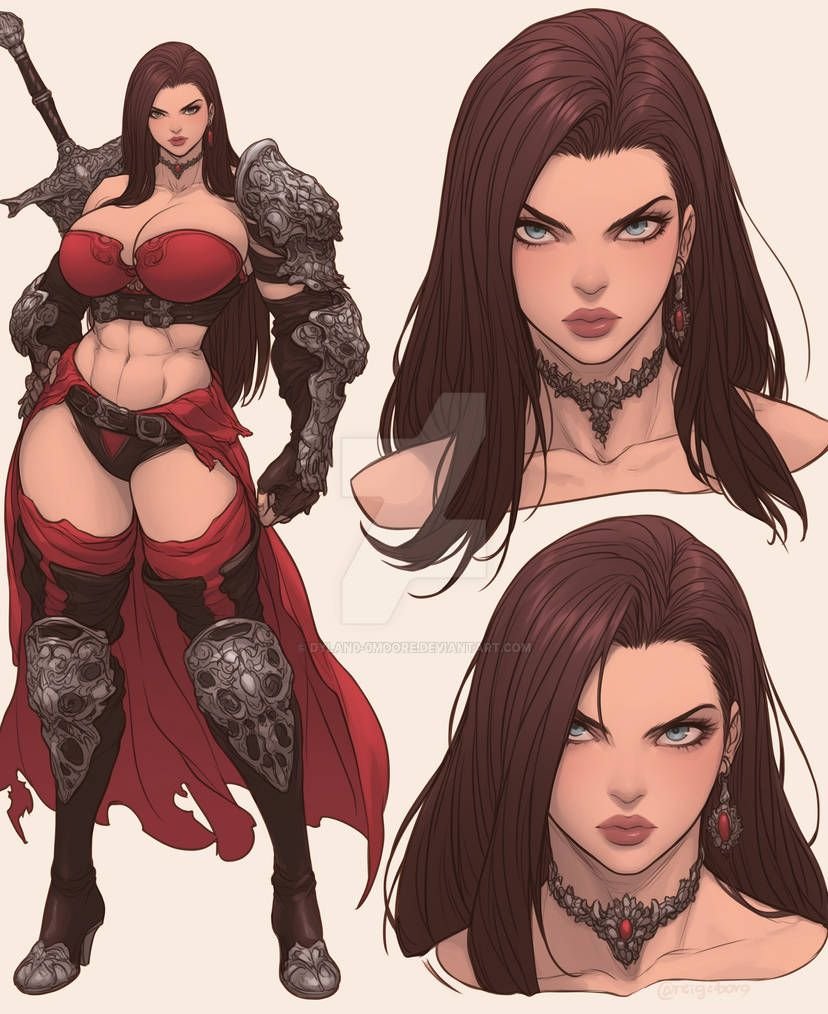
The tavern lamp flickers, casting long shadows across the worn map spread before you. You’ve got a compelling plot, a fearsome villain, and a world brimming with ancient ruins and bustling cities. But then, it hits you: the blank slate of a new NPC. What's the name of the stoic guard captain? The cunning merchant? The kindly innkeeper? Suddenly, the intricate dance of creating Names for D&D Human NPCs & Worldbuilding becomes a critical quest in itself. A good name isn't just a label; it’s a whisper of backstory, a hint of personality, and a subtle thread that weaves your world together, making it feel lived-in and real.
Too often, DMs default to the same handful of names, or worse, struggle through moments of awkward silence trying to invent one on the fly. This comprehensive guide is your compass through the vast landscape of human naming conventions in D&D, designed to equip you with strategies, inspiration, and a treasure trove of names that will make your players lean in closer.
At a Glance: Crafting Memorable Human Names
- Humans are Versatile: Their names can reflect a wide range of cultures, backgrounds, and aspirations.
- Meaning Matters: Choose names with subtle or overt meanings to hint at a character's personality, skills, or fate.
- Context is King: Consider the NPC's role, social standing, and the specific region or culture they hail from.
- Beyond the First Name: Surnames, titles, and epithets add layers of depth and history.
- Mix & Match: Don't be afraid to combine elements from different inspirations to create unique identities.
- Keep it Readable & Pronounceable: Complex names can break immersion if players struggle with them.
- Embrace Generators: Sometimes, a quick prompt is all you need to spark creativity.
Why Names Are Worldbuilding Gold
In the sprawling tapestries of Dungeons & Dragons, humans often serve as the bedrock of civilizations—their bustling cities, far-reaching empires, and diverse cultures forming the backbone of many campaigns. Unlike the more distinct, often magically infused names of other races, human names carry a particular weight: they ground the fantastic in something familiar, yet offer endless possibilities for variation.
A well-chosen name for a human NPC doesn't just distinguish them; it infuses them with a living history. It can hint at their family’s trade, a heroic deed, a physical characteristic, or even their aspirations. Think of "Garrick Shieldbreaker" – immediately, you picture a formidable fighter. Or "Lyra Swiftfoot" – clearly someone nimble and quick. These names aren't just phonetic sounds; they're tiny narratives waiting to unfold. They are the first brushstrokes on the canvas of your world, giving shape and color to the nameless faces your players will encounter.
The Human Condition in D&D: A Naming Foundation
Humans in D&D lore are often defined by their adaptability, ambition, and diversity. They might not have the innate magical prowess of elves or the stony resilience of dwarves, but they compensate with sheer tenacity and a boundless capacity for change and growth. This makes their naming conventions incredibly flexible.
A human's name can draw from a vast pool of real-world linguistic influences, reflecting different "ethnicities" or cultural groups within your fantasy world. They thrive everywhere, from rugged frontiers to opulent capitals, and their names should reflect this rich tapestry. Their curiosity drives them to seek knowledge and power, while their ability to form alliances with various races shapes the political landscape. This versatility means a human NPC could bear a name rooted in ancient tradition, or one that sounds thoroughly modern and individualistic, depending on their background and your world's specific cultures. They often receive additional skill proficiencies or feats, underlining their capacity to excel in any role—a trait that can certainly be echoed in their names.
Foundational Naming: Classic & Timeless Choices
Sometimes, the most powerful names are the ones that feel familiar yet strong, echoing real-world traditions with a touch of fantasy flair. These names are excellent for grounding your human NPCs in a recognizable context, making them instantly relatable while still allowing for unique twists.
Evocative Male Names
When selecting a male human name, consider its sound and implied strength. Does it roll off the tongue like a seasoned warrior's battle cry, or does it have a quiet dignity befitting a scholar?
- Aaron: Meaning "mountain of strength," a name like Aaron suggests a steadfast, unwavering presence—perfect for a loyal guard or a community leader.
- Caleb: Signifying "faithful, devotion, wholehearted," Caleb lends itself to characters known for their unwavering loyalty or deep convictions, perhaps a paladin or a trusted advisor.
- Frederick: With the meaning "peaceful ruler," a character named Frederick might be a calm and just magistrate, or perhaps a warlord who yearns for peace after years of conflict.
- Lucas: Meaning "light-giver," this name could belong to a beacon of hope, a wise sage, or even a sorcerer whose magic illuminates the darkest corners.
- William: "Resolute protector" is the meaning behind William, making it ideal for a knight, a guardian, or even a diligent craftsman who protects his family and trade.
- Xavier: "New house" could imply an individual who has built something from the ground up, a pioneer, or someone who brings fresh ideas.
Resonant Female Names
Female names can evoke grace, power, mystery, or resilience. Think about the first impression you want your NPC to make.
- Amelia: Meaning "work," Amelia could be a driven artisan, a tireless healer, or a diligent researcher.
- Beatrice: "She who brings happiness" suggests a character who is a source of joy or comfort, like a beloved tavern keeper or a kind cleric.
- Charlotte: A "free woman," Charlotte is an excellent choice for an independent adventurer, a powerful guild master, or a queen who rules on her own terms.
- Isabelle: Meaning "God is my oath," Isabelle suggests a character with strong faith or an unshakeable promise, perhaps a devout priestess or a determined quest-giver.
- Penelope: "Weaver" brings to mind a clever, patient individual, perhaps an enigmatic spy, a skilled artisan, or someone renowned for intricate planning.
- Victoria: "Victory" is a straightforward yet powerful name, suitable for a triumphant general, a successful merchant, or anyone who has overcome great odds.
- Zoe: Meaning "life," this name could be for a vibrant, energetic character, or perhaps a wise elder who has seen much life unfold.
Names with Meaning: Weaving Personality & Role
Beyond classic names, you can choose names that directly hint at an NPC's defining traits, making them instantly more memorable and providing subtle clues to your players.
Names Reflecting Skills & Trades
An NPC's name can tell you a lot about what they do or what they're good at, often before they even speak.
- Ada: "Noble and skillful." An Ada might be an exceptional smith, a master cartographer, or a prodigy in any craft.
- Blake: "Fair-haired, skilled in archery." Imagine a sharp-eyed ranger named Blake, renowned for their steady aim.
- Declan: "Full of goodness, skilled in healing." A Declan could be a compassionate healer, a diplomat known for mending disputes, or a kind soul in a harsh world.
- Finn: "Fair, skilled in navigation." This name suits a seasoned sailor, a guide through treacherous lands, or someone who always finds their way. This approach to naming isn't just for humans; considering how skills manifest in names can also inform your choices for characters like Halfling NPCs & worldbuilding, who often have specific aptitudes.
- Quinn: "Counsel, skilled in strategy." A Quinn might be a brilliant tactician, a cunning spymaster, or a wise elder offering sage advice.
- Sawyer: "Woodcutter, skilled in carpentry." A practical, grounded name for someone adept with tools and timber.
Names for Knowledge & Wisdom
For the scholars, mages, and seers of your world, names that signify intellect or ancient knowledge can add an aura of gravitas.
- Athena: Named after the goddess of wisdom, an Athena in your world could be a brilliant scholar, a tactical leader, or a skilled artisan whose creations are informed by deep understanding.
- Brainard: "Brave as a bear, intelligent." This name suggests a character who combines brawn with brains, perhaps a grizzled veteran who is surprisingly learned.
- Gwyneth: "Blessed or happy, knowledgeable." A Gwyneth might be a fey-touched oracle, a wise matriarch, or a bard whose songs carry ancient secrets.
- Hermione: "Messenger, goddess of wisdom." Ideal for a court advisor, a sage, or a diplomatic envoy who carries vital information.
- Magnus: "Great." While simple, this name carries an inherent weight, suggesting a person of significant intellect, power, or influence.
- Rosalind: "Beautiful rose, intelligent." This name brings to mind a character who combines grace with sharp wit, perhaps a courtier or a clever mage.
- Xander: "Defender of the people, intelligent." A Xander could be a tactical leader, a wise protector, or a scholar who uses their knowledge to aid others.
Names Reflecting Physical Traits & Appearances
Sometimes, an NPC's most striking feature can inspire their name. These names can be descriptive without being overly literal, adding a poetic touch.
- Aurora: "Dawn, beautiful light." This name suggests radiant beauty, perhaps a character with striking hair or eyes, or simply one who brings light to gloomy situations.
- Blaze: "Flame, fiery red hair." A straightforward name for a character with vibrant red hair, a fiery personality, or a pyromancer.
- Dax: "Leader, warrior, with dark features." A Dax could be a mysterious figure, a dark-haired warrior, or someone with a stern demeanor.
- Ember: "Spark, glowing hair or eyes." Perfect for a character with fiery eyes, auburn hair, or a subtle, smoldering presence.
- Gwendolyn: "Blessed ring, white-haired or browed." This name conjures an image of someone with elegant features, perhaps white or silver hair, or a serene aura.
- Indigo: "Blue-purple color, striking eyes or hair." A distinct name for an NPC with captivating blue or purple eyes, or hair of an unusual shade.
- Onyx: "Black gemstone, striking black hair or eyes." This name implies someone with deep, dark features, perhaps an enigmatic rogue or a stoic guardian.
- Raven: "Dark bird, with black hair or eyes." A classic choice for a character with dark, mysterious features, or someone who favors shadows.
- Scarlett: "Red, fiery, beautiful hair." A vibrant name for a character with striking red hair or a passionate disposition.
- Wolfe: "Wolf, with sharp features." This name suggests a character with keen eyes, an independent spirit, or a formidable presence.
Names Evoking Beauty, Strength, or Notable Qualities
These names go beyond simple descriptions, imbuing a character with an inherent sense of power, elegance, or significance.
- Celeste: "Heavenly, exceptional beauty." A Celeste might be an angelic figure, a graceful dancer, or someone whose inner beauty shines through.
- Everest: "Highest mountain, great strength." A name suggesting unwavering resilience, immense power, or someone who stands above the rest.
- Freya: "Lady, goddess of love, beauty, war, and death." A powerful name for a strong female leader, a fierce warrior, or a captivating enchantress.
- Hercules: "Hera's glory, great strength." While mythical, this name can inspire a human NPC renowned for their superhuman strength or heroic deeds.
- Isadora: "Gift of Isis, great strength." A name for a strong-willed character, perhaps a powerful sorceress or a matriarch who commands respect.
- Phoenix: "Mythical bird, fiery strength and rebirth." This name implies a character who has risen from adversity, possessing great resilience and a striking presence.
- Seraphina: "Fiery one, great strength and beauty." A truly evocative name for a passionate character, an elegant warrior, or a charismatic leader.
- Titan: "Giant, great and powerful." For an NPC of imposing stature, immense strength, or monumental influence, this name speaks volumes.
Names Echoing Lineage & Place
A human's name can also reveal their cultural heritage, their societal role, or even their chosen profession. This adds another layer of realism and depth to your world.
Cultural Flavors & Regional Roots
Within any D&D world, human populations will develop distinct cultures, and with them, unique naming conventions. Drawing inspiration from real-world cultures can give your regions immediate flavor. For instance, while you might choose culturally resonant names for humans, remember that other races, like Elf NPCs & worldbuilding or Dwarf NPCs & worldbuilding, will have their own deeply ingrained naming traditions tied to their specific histories and languages.
- Akira (Japanese): "Bright or clear." A name that could belong to a wise sage, a perceptive rogue, or an honorable warrior from an Eastern-inspired human kingdom.
- Bianca (Italian): "White." A name evoking purity, beauty, or a character from a Mediterranean-inspired coastal region.
- Dante (Italian): "Enduring or steadfast." Suitable for a character known for their resilience, a long-lived artisan, or a stoic leader.
- Fatima (Arabic): "One who abstains." This name could be for a devout priestess, a mysterious oracle, or someone from a desert-dwelling human tribe.
- Jamal (Arabic): "Handsome." A classic name for a charismatic character, a dashing rogue, or a respected tribal elder.
- Katarina (Greek): "Pure." A versatile name for a virtuous maiden, a dedicated cleric, or a noblewoman from a Hellenic-inspired city-state.
- Omar (Arabic): "Long-lived or prosperous." This name suggests a seasoned merchant, a wise elder, or a leader from a thriving desert oasis.
- Paloma (Spanish): "Dove." A gentle name for a peacemaker, a bard, or someone from a vibrant, artistic culture.
- Raja (Indian): "King or prince." A powerful name for royalty, a natural leader, or someone with a majestic presence in an Indian-inspired setting.
- Vera (Russian): "True or faith." A name that speaks to honesty, loyalty, or strong spiritual conviction from a colder, Eastern European-inspired culture.
Names Signaling Class & Calling
An NPC's chosen profession or social class can be woven into their name, particularly their surname, creating an immediate sense of who they are and what they do.
- Thrain Battlehammer (Fighter): This name immediately screams dwarf warrior, but applied to a human, it suggests a powerful, weapon-focused fighter, perhaps from a lineage of blacksmiths or soldiers.
- Lyra Swiftfoot (Rogue): Lyra, suggesting music or lightness, combined with Swiftfoot, perfectly describes an agile rogue, perhaps a scout or a thief.
- Alaric Stormcaller (Sorcerer): Alaric, a kingly name, paired with Stormcaller, instantly paints a picture of a sorcerer whose innate magic manifests as tempestuous weather.
- Gwyneth Moonblade (Ranger): Gwyneth, meaning blessed, combined with Moonblade, evokes a ranger attuned to lunar cycles or wielding an ancestral weapon, perhaps a master archer of the night.
- Darian Lightbringer (Cleric): Darian, a kingly name, with Lightbringer, clearly marks a cleric who channels divine light against darkness.
- Ragnar Ironhide (Barbarian): Ragnar, a Norse-inspired name, combined with Ironhide, suggests a formidable barbarian whose skin is as tough as metal, renowned for their resilience in battle.
- Neriah Starweaver (Wizard): Neriah, meaning "lamp of God," with Starweaver, points to a wizard who manipulates cosmic energies or divines the future through constellations. This naming strategy, linking names to roles, is invaluable for all characters, including those from distinct lineages like Dragonborn NPCs & worldbuilding, where names often incorporate draconic elements.
Adding a Dash of Whimsy: Funny NPC Names
Not every NPC needs a dramatic or deeply meaningful name. For comic relief, quirky side quests, or just to lighten the mood, funny names can be perfect. These names often use alliteration, playful references, or double meanings.
- Chuckles: A simple yet effective name for someone prone to laughter, a jester, or a tavern owner with a booming laugh.
- Crackerjack: Suggests someone exceptional, perhaps a skilled but eccentric inventor or a boastful adventurer with a heart of gold.
- Daffy: "Crazy or silly." Perfect for an absent-minded professor, a well-meaning but clumsy mage, or a bard whose performances are entertainingly chaotic.
- Finnegan Jester: Combining a classic name with a clear role, this character is undeniably the court jester, full of witty remarks and slapstick.
- Giggles: Like Chuckles, Giggles suggests a lighthearted character, perhaps a mischievous halfling (though this article is human-focused, the principle applies) or a bard known for upbeat tunes.
- Kibitzer: Someone who offers unsolicited advice. Imagine an old, meddling villager who always has an opinion.
- Puck: A mischievous trickster, this name suggests a character who loves pranks and playful chaos, perhaps a bard or a rogue with a knack for illusion.
- Scofflaw: A lawbreaker. This name could be for a charming rogue who constantly skirts the rules or a local troublemaker.
- Snarky: For a character known for their sarcastic wit and cynical remarks, perhaps a grumpy shopkeeper or a world-weary mercenary.
- Whimsy: "Quirky or playful humor." A name for an eccentric artist, an illusionist, or someone who approaches life with a lighthearted, unpredictable attitude.
- Zany: "Crazy or eccentric." Perfect for a mad scientist, an unpredictable wizard, or a character whose antics are always over the top.
Beyond the First Name: Surnames, Titles, & Epithets
A truly memorable NPC often has more than just a first name. Surnames, titles, and descriptive epithets can add immense character and lore without needing a single word of exposition.
Meaningful Surnames
Surnames in D&D worlds often come from various sources:
- Occupational: Smith, Cooper, Miller, Thatcher, Brewer, Fletcher (arrow-maker), Shepherd. These suggest a family trade.
- Locational: Stonehill, Riverside, Highwater, Oakenshield, Brookfield. These connect a family to a specific place.
- Descriptive: Strongarm, Fairwind, Blackwood, Whitestaff, Goodfellow. These highlight a family trait or reputation.
- Patronymic/Matronymic: Johnson (son of John), Eriksson (son of Erik), Marys (child of Mary). These link directly to an ancestor.
Combining a first name with a meaningful surname creates immediate depth. Consider "Brandt Windrider" (Druid) – the first name hints at power, and the surname perfectly encapsulates his connection to nature and freedom. Or "Adalyn Shadowweaver" (Warlock) – Adalyn (noble) combined with Shadowweaver clearly paints a picture of a formidable magic-user. This layered approach is key not just for humans, but also for complex races like Tiefling NPCs & worldbuilding, whose names often blend infernal heritage with mortal family names.
Titles and Epithets
Titles often denote rank, achievement, or role:
- Lord/Lady, Duke/Duchess: For nobility.
- Captain, Commander, Sergeant: For military figures.
- Master, Elder, Reverend: For craftspeople, community leaders, or religious figures.
Epithets are informal, descriptive tags that stick: - The Red: For a warrior with red hair, armor, or a bloody reputation.
- Swiftblade: For a quick fighter.
- The Wise: For a scholar or elder.
- Greensleeve: For a ranger or druid.
- Ironhide: For a tough barbarian, as seen with "Ragnar Ironhide."
Imagine "Sergeant Eliza 'Ironheart' Stonehill" or "Master Elara Whitestaff, the Seeker." These additions elevate an NPC from a simple name to a storied individual.
Crafting Your Own Naming System
For deeper worldbuilding, consider creating regional human naming systems within your campaign.
- Choose a real-world linguistic inspiration: Do the humans of the northern plains have names inspired by Norse mythology (e.g., Erik, Freya, Bjorn)? Do the desert-dwelling traders use Arabic-sounding names (e.g., Omar, Zahra, Jamal)?
- Define a cultural trait: Are names tied to birth omens, ancestral spirits, or the landscape? For example, humans in a mountain region might have names that sound rugged and strong.
- Establish surname conventions: Do families use occupational surnames, or are they tied to famous ancestors? Perhaps certain noble houses always use a particular prefix or suffix.
- Incorporate local flora/fauna: Names like Willow, Aspen, Raven, or Wolfe can be subtly tied to local wildlife or plants.
By following these steps, you’ll not only have a consistent naming convention but also a deeper understanding of the cultures within your world. Just as Gnome NPCs & worldbuilding often have whimsical, nature-inspired names, your human cultures can develop their own unique and evocative naming patterns.
Common Naming Pitfalls to Sidestep
Even with the best intentions, naming can sometimes go awry. Here are a few traps to avoid:
- The "Fantasy Gibberish" Trap: Avoid names that are overly complex, difficult to pronounce, or just a string of random syllables. If you can't remember it, your players certainly won't.
- The "Too On-The-Nose" Trap: While meaningful names are good, don't make them too obvious. "Sir Reginald Sword-of-Justice" might be okay for a joke character, but for a serious campaign, it lacks subtlety. Let the name hint, not shout.
- The "Samey-Sounding" Trap: If all your NPCs have names ending in "-or" or starting with "Al-", your players will quickly get confused. Vary the sounds, lengths, and cultural origins of your names.
- The "Accidental Joke" Trap: Be mindful of modern slang or pop culture references that might unintentionally turn a serious name into a punchline.
- The "All One Culture" Trap: Even if your world has a dominant human culture, ensure there's still diversity. Are there immigrant communities? Ancient, forgotten regions? These offer opportunities for different naming styles. Even within a human population, variations exist, much like the distinct naming traditions found among Orc NPCs & worldbuilding or other monstrous races.
When All Else Fails: Embrace the Generator
Sometimes, you need a name right now. Or perhaps you just need a spark to get your creative juices flowing. That's where a reliable name generator comes in handy. There are many online tools designed specifically for D&D, allowing you to quickly generate names that fit various fantasy themes and human cultures. Don't feel like it's "cheating"; it's a valuable resource! For a quick solution, consider a D&D human name generator to find that perfect name on the fly.
Your Next Step: Bring Them to Life
Armed with a deeper understanding of Names for D&D Human NPCs & Worldbuilding, you're ready to populate your world with vibrant, memorable characters. Remember, a name is just the beginning. It's the first note in a symphony of personality, history, and interaction that will unfold at your table.
Take these names, twist them, combine them, and imbue them with the spirit of your campaign. Let "Amelia" be the tireless mayor fighting corruption, "Caleb" the faithful knight, or "Lyra Swiftfoot" the rogue with a surprising past. Each name is a seed; plant it carefully, and watch your world bloom with unforgettable stories. Go forth, Name-Crafter, and inspire your next game!